
We had been talking about adding Wayanad to our India trip for years. Somehow, between home, work, and family responsibilities, it never quite happened. It remained one of those “someday” destinations — always on the list, never on the itinerary. Funny how that works — the places closest to our roots sometimes take the longest to visit.
When I was growing up in Kerala more than twenty years ago, Wayanad wasn’t the tourism hotspot it is today. It was spoken of more as a land of escape and 2nd chances than a vacation destination. I grew up hearing stories about distant relatives who migrated to Wayanad in search of fertile farmland. They were the brave ones — the pioneers who cleared raw forest land to grow pepper, cardamom, coffee, tea, and rubber. They left the familiarity of home, often disappearing into the hills with only the promise of rich soil and hard work ahead of them. News traveled slowly in those days — maybe an occasional letter, maybe a rare visit.In many ways, their journey mirrors ours. In the 1960s, they left home to build a life in the misty hills of Wayanad. In the 1990s, we left home to build a life in the United States. Different decades, different continents — but the same courage to step into the unknown.
Today, Wayanad is one of Kerala’s most beloved tourist destinations. Travelers from across India — and increasingly from around the world — come here to experience its untouched, rain-washed greenery and serene landscapes that still retain a deeply rural charm. Despite its popularity, it hasn’t lost its soul.
A bit about Waynad:
Wayanad is a district in the northeastern part of Kerala. I’m from Kottayam in the south, so it’s roughly 400 kilometers north of my hometown. Nestled in the Western Ghats, Wayanad shares borders with three states — Kerala, Tamil Nadu, and Karnataka — making it a fascinating cultural and ecological crossroads.
The district is also home to one of South India’s most important wildlife corridors. Kerala’s Muthanga Wildlife Sanctuary connects seamlessly with Bandipur in Karnataka and Mudumalai in Tamil Nadu, forming a vast protected stretch of forest. Kerala is well known for its thriving elephant and tiger populations, and many of these magnificent animals inhabit the forests of Wayanad.
If you’re a nature lover, this is your place.
What follows is our drive from Kozhikode(Calicut) up into the hills of Wayanad — and back again — a journey through winding roads, forest stretches, and memories both old and newly made.
Day 1
Thamarassery Churam
In Malayalam(the language of Kerala), Churam means ‘Mountain Pass’. And what a pass this is.
Kerala’s Malabar coast carries thousands of years of trading history. Its shoreline was once dotted with ports that formed part of the ancient maritime Silk Route. Ships sailed in from the Middle East, Africa, and China, drawn by one irresistible promise — spices. Pepper, cardamom, cinnamon — treasures that flavored kingdoms and built fortunes.
Perhaps the most famous arrival was Vasco da Gama, who reached Kozhikode in the 15th century after rounding the Cape of Good Hope and crossing the Indian Ocean. His landing accelerated the spice trade between India and Europe and permanently altered global commerce. Wayanad, high in the Western Ghats, was one of the prime spice-growing regions. But there was a problem — how do you transport precious cargo from misty mountain farms down to the bustling coastal ports? Through the Thamarassery Churam
This mountain pass connects Kozhikode (Calicut) on the coast to the highlands of Wayanad. The route was developed during British colonial times by the British East India Company to move goods efficiently from inland plantations to the port.
Today, Thamarassery Churam is a breathtaking 15-kilometer stretch of road carved into lush green hillsides. It is famous for its sharp hairpin bends, dramatic viewpoints, drifting fog, and the sheer thrill of driving up into the clouds. The climb is both scenic and slightly nerve-wracking — the kind of road that makes you grip the steering wheel just a little tighter.
A word of advice: check traffic updates in radio before you begin. The pass is notorious for traffic blocks that can leave you stranded for miles. And keep your windows rolled up — families of clever monkeys line the road, always on the lookout for unattended snacks.
Changala Maram or The Chain Tree
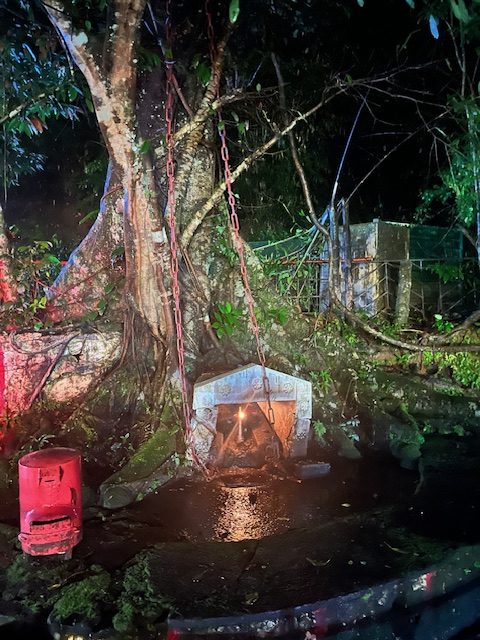
As you continue your ascent toward Lakkidi, you’ll notice a large tree with heavy iron chains hanging from its trunk. Who doesn’t love a story that blends history, folklore, and just a hint of the supernatural? This is the story of Changala Maram — the “Chain Tree” — and the legendary Karinthandan.
Karinthandan was a chieftain of the Paniya tribe who lived around the 1700s. He was known as a man deeply connected to the forests and wildlife of Wayanad. During British colonial rule, the region was largely inaccessible due to dense jungles and rugged terrain. The British were eager to establish a route linking Wayanad to the coast and neighboring regions to ease trade. According to local legend, the British sought Karinthandan’s help. He guided them through secret forest paths across treacherous mountains — knowledge known only to his tribe. But once the route was discovered, the British engineer allegedly killed him to claim sole credit for the pass.
And thus began the haunting.
Locals say Karinthandan’s restless spirit roamed the mountain road, causing accidents and frightening travelers. Eventually, rituals were performed to calm and bind his spirit to a tree along the pass. Chains were wrapped around the trunk to symbolically restrain him — giving the tree its name, Changala Maram. Even today, some claim that if you listen carefully while driving past at night, you can hear the faint sound of chains dragging behind your vehicle. Booo!
Whether or not you believe the ghost story, Karinthandan remains an enduring symbol of local resistance and sacrifice during colonial times. A small shrine near the tree honors him, and many travelers pause to offer a silent prayer — for respect, remembrance, and maybe a safe journey ahead.
By the end of Day 1, after winding through history, hairpin bends, and haunting legends, we finally checked into Vythiri Village Resort. The real adventure in Wayanad was just about to begin.
Day 2
900 Kandi /Glass bridge
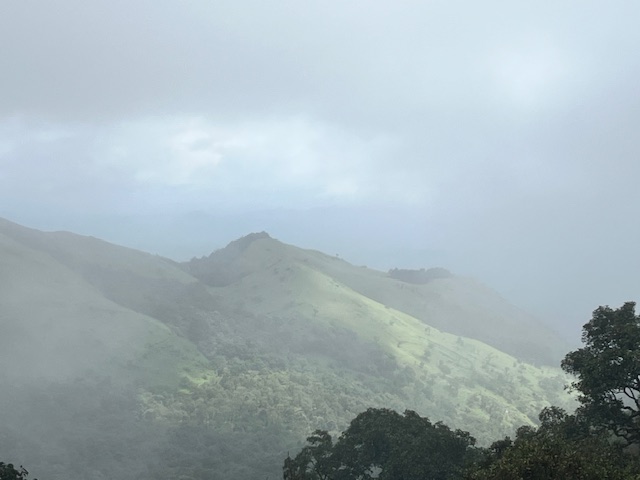
If you’re looking for a mix of nature and adventure, 900 Kandi markets itself as a lively eco-tourism hub with activities for both kids and adults. The star attraction here is the glass bridge — a suspended walkway offering sweeping views of the surrounding mountains and valleys.
On a clear day, the scenery can be stunning. Layers of green hills stretch endlessly into the horizon, and the breeze carries that unmistakable mountain freshness. But timing is everything. If it’s rainy or foggy, the experience loses much of its charm — the views disappear behind mist, and the glass becomes more slippery than scenic.
The bridge itself? It’s interesting, but not quite as dramatic as the photos suggest. What’s more noticeable is the crowd. With too many people on it at once, you may find yourself thinking more about structural engineering than enjoying the panorama.
Getting there is part of the adventure — an off-road jeep ride over a rough, poorly maintained path. “Bumpy” would be an understatement. Not really offroad, just a pain in the unmentionables. Go for the views, manage your expectations for the bridge, and brace yourself for the ride.
Soochipara Waterfalls
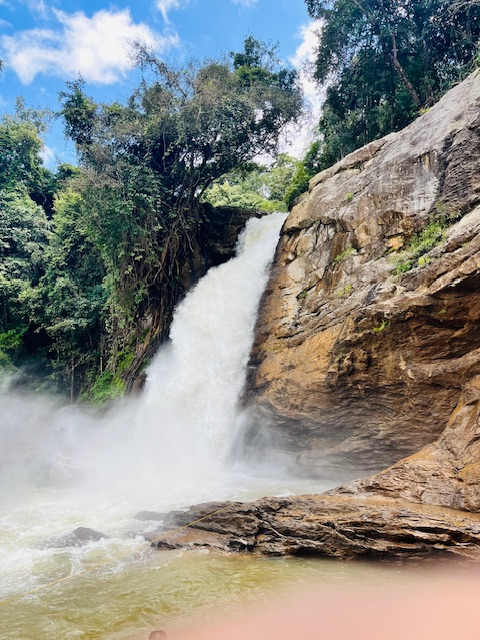
Wayanad is blessed with many waterfalls tucked into its lush green mountains, and taking a dip in one is an experience no visitor should miss.
Reaching Soochipara Waterfalls involves roughly a two-mile hike through forested trails and tea estates. The path is paved and well-marked, winding gently downhill toward the sound of cascading water. The descent is easy and pleasant — it’s the climb back up that reminds you you’re in the hills. At the base, the falls crash into a refreshing pool where visitors can bathe under the falling water.
Practical details matter here: bring a change of clothes and water shoes. There are changing rooms and clean restrooms near the site, which is a welcome surprise. There is also an entry fee, but the experience is well worth it.
Kanthanpara Waterfalls:
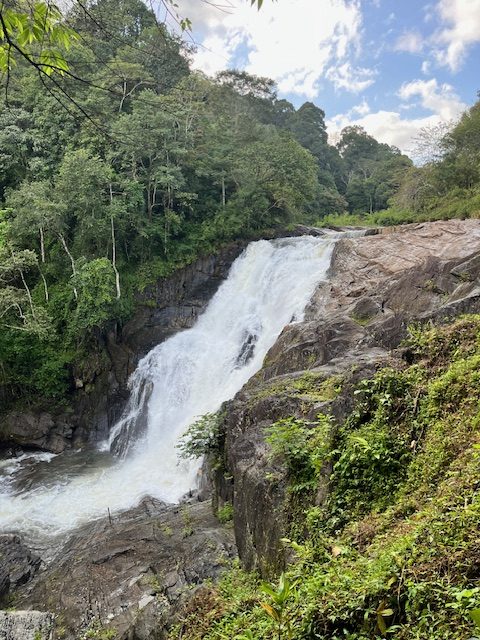
Our second waterfall stop on Day 2 was Kanthanpara, smaller and quieter than Soochipara but charming in its own way. Unlike the longer trek at Soochipara, this one requires only a short walk from the parking area. Along the way, you’ll find shallow pools perfect for dipping your feet and cooling off. When we visited, swimming directly under the falls wasn’t allowed, and facilities were minimal — no proper changing rooms here.
This placet ideal for a quick stop rather than an extended stay. Keep an eye out for monkeys in the parking lot. There’s an entry ticket and fixed closing time, so check ahead to avoid disappointment.
Toddy and a Nearby hike
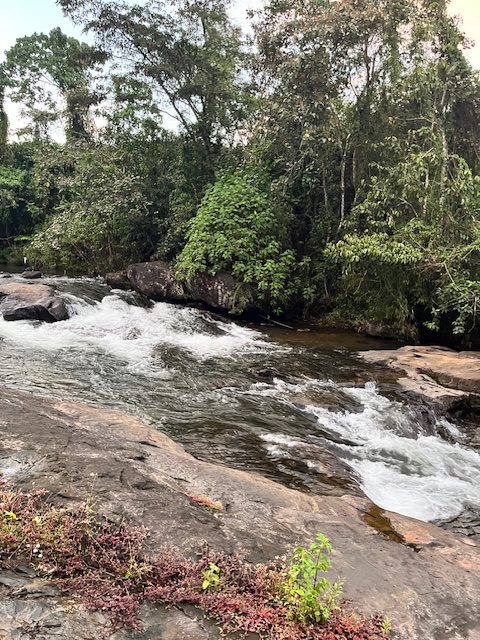
After a day of trekking, waterfalls, and off-road adventures, we wound down at Boche Restaurant — a place that proudly claims to serve “pure toddy.”
Set in a pleasant location, it’s a nice stop for local snacks and a taste of Kerala’s traditional palm-based alcohol. There is a small stream and some trekking behind the restaurant that provides some great views – left the location with a big bruise after falling on a rock that day, not a very fond memory, but still the pic came out beautiful.
Whether you’re there for the toddy or just the ambiance, it’s a relaxed way to end the day.
Day 3
We dedicated Day 3 entirely to nature. Wayanad offers some of the best wildlife experiences in South India, so the plan was simple: drive, observe, and hope to spot tuskers and herds of spotted deer along the way.
Muthanga, Bandipur, and Mudumalai
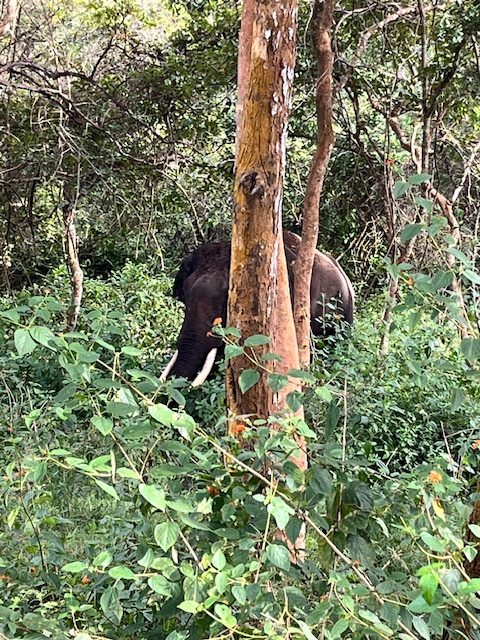
The Wayanad Wildlife Sanctuary stretches across state borders, connecting seamlessly with Bandipur National Park in Karnataka and Mudumalai National Park in Tamil Nadu. If you begin at the Muthanga range in Wayanad, you can loop through all three reserves in a single day — crossing three states while staying within one continuous forest ecosystem. It’s a long drive, but one filled with lush landscapes and rich wildlife.
The Muthanga range is part of a Project Elephant site and one of Kerala’s most important wildlife habitats. Elephants roam freely here, often appearing in large herds along forest roads and open grasslands. The sanctuary is also home to other impressive mammals such as wild buffalo, tigers, and leopards. Early mornings offer the best chances for sightings, so plan for a sunrise start.
Official jeep safaris at Muthanga require tickets, and the counter closes at 7:00 AM. Tickets are limited and sold on a first-come, first-served basis. Although we arrived on time, a large group of schoolchildren secured the remaining tickets before us.
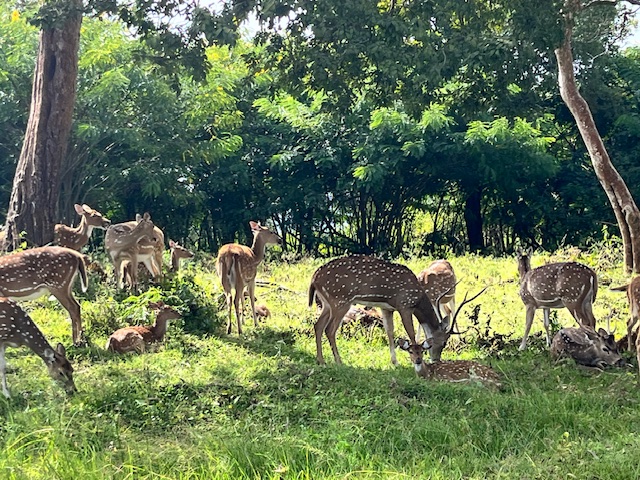
What we later learned: a paid safari does not guarantee wildlife sightings. In fact, simply driving through the permitted forest roads yielded incredible views for us. We saw multiple elephant herds, deer, monkeys, peacocks, and wild hens — though no elusive tigers or leopards.
Tip: Stay in Sultan Bathery for an early start, carry binoculars, and always prioritize safety. Wildlife is unpredictable — remain inside your vehicle and stay alert.
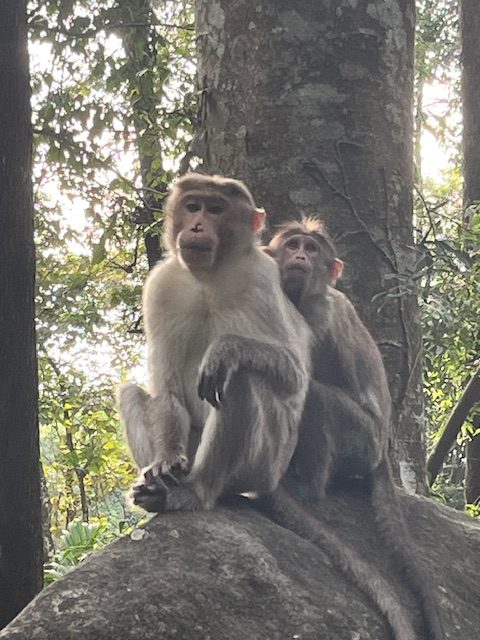
While Muthanga is famous for elephants, Bandipur National Park is widely known as a tiger reserve. It also offers ticketed safaris, but locals suggested that self-driving through open forest roads often results in more sightings. We weren’t lucky enough to see a tiger, but we did encounter even more elephants than we expected.
Gundalpet
On the way into Karnataka, you’ll pass through Gundlupet, a small town famous for its vast flower farms. Depending on the season, the fields burst into vibrant carpets of marigolds and sunflowers. If you’re lucky with timing, it’s worth stopping for photos among the colorful blooms.
Edackkal Caves
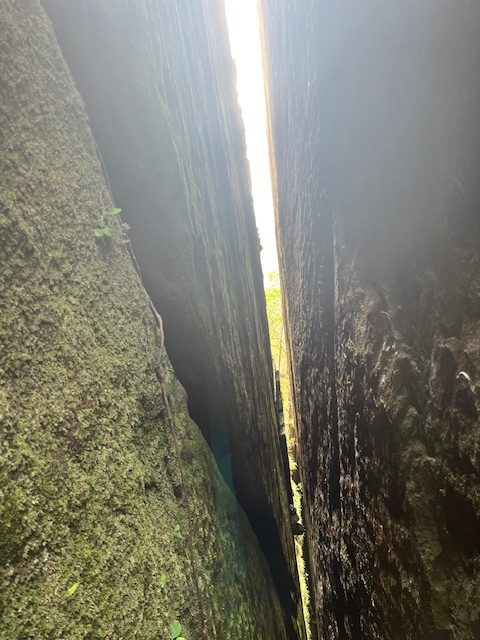
If you love history or anthropology, the Edakkal Caves are a must-visit. Despite the name (“a stone in between”), this isn’t technically a cave but a natural rock shelter formed by massive boulders. It is located on Ambukuthi Mala, about 1,200 meters above sea level.
The site contains remarkable petroglyphs — ancient rock carvings considered among the earliest forms of human artistic expression in India. Many markings date back to the Neolithic period, with some estimated to be around 6000 BC.
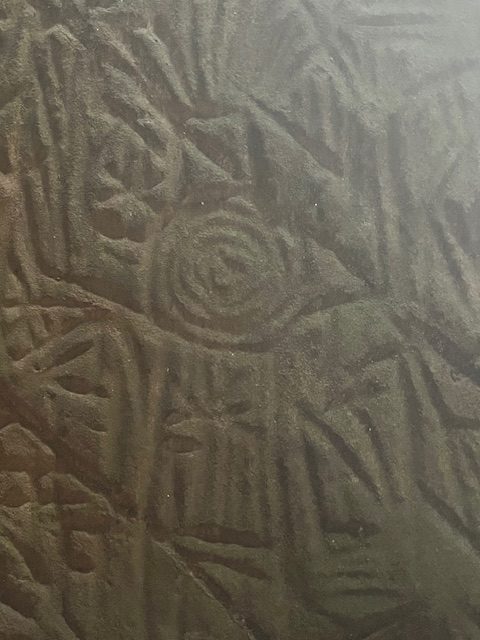
Hiring a guide is highly recommended; the carvings are fascinating, but understanding their context makes the visit truly meaningful. The hike up Ambukuthi Mala took us about an hour. While many sections have carved steps, the climb is still demanding.
Like ancient sites such as Chichen Itza in Mexico and Sigiriya in Sri Lanka, Edakkal lay hidden in the forest until the late 19th century, when it was rediscovered by a British explorer.
Cheemeni peak(Not Chembra !)
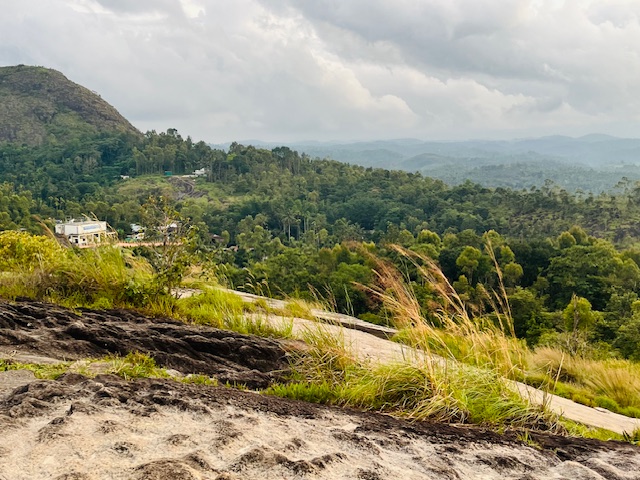
Often confused with Chembra Peak, Cheemeni Peak is a lesser-known gem near Edakkal. If you still have energy after a long day, this is a wonderful sunset spot. Maintained by the tourism department, the site even offers camping facilities and bonfire options. The climb itself isn’t extremely difficult, but there are no clearly defined steps — you’ll be navigating a rocky surface with the help of guiding ropes along the way.
Sweeping panoramic views and a spectacular sunset over the hills were our reward.
Day 4
Chembra Peak :
Chembra Peak is the highest peak in Wayanad district, and hiking it was one of the highlights of our trip.
Because the area is environmentally fragile, only a limited number of hikers are allowed each day. The trek takes about 3–4 hours and is moderately challenging. A paid permit is required and sells out quickly. When we visited in 2025, 50% of permits were sold online and 50% in person. We stood in line before 6:00 AM and were fortunate to secure the last two tickets for the day.
The trail becomes steeper as you approach the summit. Forest guards are stationed along the route to guide hikers. Plastic containers and packaged food are not allowed; instead, you’re given a reusable metal water bottle that must be returned afterward. Natural forest streams along the way allow you to refill.
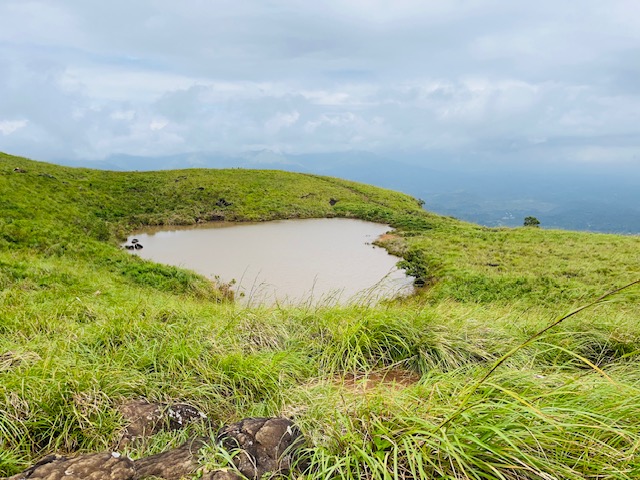
At the top lies the famous heart-shaped lake — the highlight of the trek. We walked around it, took countless photos, and even spotted elephant dung nearby — a reminder that wildlife is very active in the area. On our ascent, we saw a wild elephant at a distance.
Tips: Stay on designated paths — the region is home to elephants, tigers, and venomous snakes. Wear proper hiking shoes. Secure permits early. Eat and hydrate before you begin.
Banasura Sagar Dam:
Banasura Sagar Dam is the largest earth dam in India, nestled within the scenic Banasura Hills. The surrounding landscape is picturesque, with walking trails and boating activities. We spent the evening strolling along the pathways and enjoyed a round boat ride on the reservoir. It can get crowded, and activities close early, so plan your visit accordingly.
A Taste of Wayanad: Pothumkaal
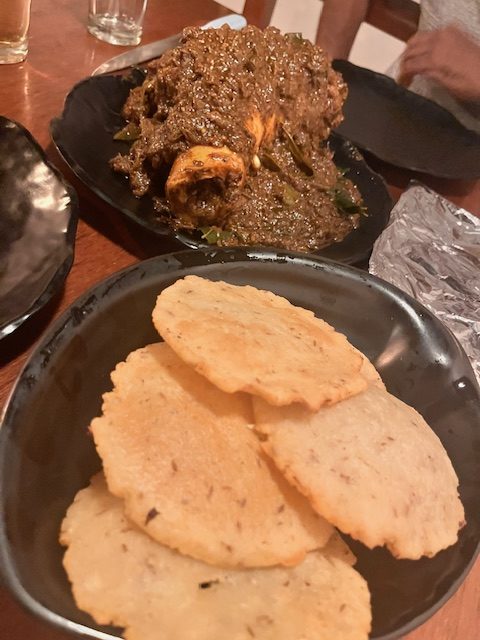
A local specialty recommended by friends, Pothumkaal is a slow-cooked buffalo leg prepared off the bone, enriched with marrow, and marinated in aromatic local spices. Rich, tender, and deeply flavorful — an absolute must-try. Yum!
Day 5: A Relaxed Farewell
Pookode Lake
Pookode Lake is a small freshwater lake near Vythiri. We visited on our final day. Compared to the thrilling adventures earlier in the week, this stop felt more like a family outing spot. It was crowded, and the lake had visible insects and leeches. We didn’t spend much time here.
Lakkidi View Point
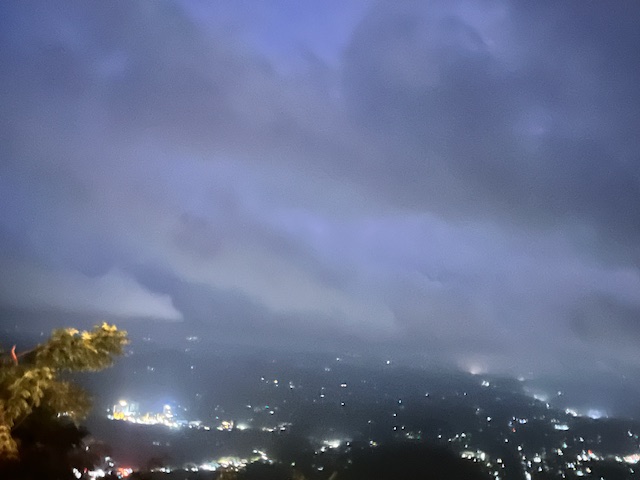
Before heading back toward Kozhikode via the Thamarassery Ghat road, stop at Lakkidi View Point. It offers breathtaking valley views — a perfect final photo stop.
And before you head home, plan a delicious pause in Kozhikode (Calicut). Indulge in their legendary biryani and pick up some famous Kozhikode halwa for friends and family.
More on Calicut adventures — coming soon.